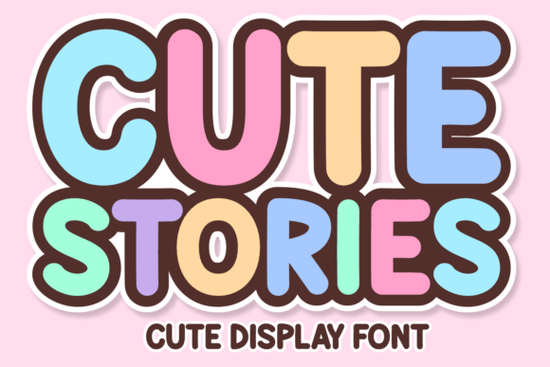
If you need a typeface that feels playful but still reads clearly at small sizes, Cute Stories Font is built for that exact balance. It leans into bold, retro letterforms with a modern bohemian twist, making it a practical choice for children’s books, casual game interfaces, summer branding, and digital planners. The rounded bubble shapes and subtle 70s groove give your layouts personality without sacrificing legibility. Whether you are designing stickers, YouTube thumbnails, or t-shirt graphics, this display font keeps the focus on your message while adding a lighthearted touch that works across both print and screen.
What makes this retro display font work for everyday projects?
The secret lies in how the letterforms are weighted. Thick strokes and soft corners create a friendly rhythm that guides the eye naturally. Unlike heavily distressed or overly decorative typefaces, the clean curves here prevent visual noise, which matters when you are working on product packaging or mobile screens. The multilingual support also means you can reach broader audiences without switching to a backup font mid-project. If you usually reach for something like a soft rounded typeface for kid-friendly designs, you will notice how this option adds a bit more vintage character while keeping the same approachable feel.
Which file formats and design tools does it support?
You get more than just standard installable files. The package includes SVG, PNG, and Procreate-ready assets, so you can drop elements directly into your workflow without extra conversion steps. Designers using Illustrator or InDesign can install the OTF/TTF files for full kerning control, while crafters working in Cricut Design Space or Canva can rely on the pre-rendered PNG and SVG layers for quick mockups. The Procreate brushes are especially handy if you want to hand-letter accents that match the core alphabet. When you need a heavier impact for posters or banners, you might also test a bold condensed style for subheadings to create clear visual hierarchy.
How do you pair it with other typefaces without cluttering your layout?
Because the main alphabet carries a lot of personality, keep supporting text simple. A clean sans serif or a lightweight monospace font works best for body copy, disclaimers, and pricing details. Use the display font for headlines, product names, or short callouts, and let the secondary typeface handle the reading load. If you are building a brand kit, try mixing it with a classic collegiate style for contrast on merchandise tags, or pair it with a structured athletic lettering when you need a sharper counterpoint on team apparel. The goal is balance: one expressive font, one neutral font, and plenty of white space.
Where does it perform best for print-on-demand and digital products?
This typeface shines in markets that reward color, nostalgia, and approachable design. Think summer camp merch, sticker packs, planner covers, nursery wall art, and casual mobile game menus. The bubbly shapes hold up well on fabric prints, and the retro swashes translate cleanly to vinyl cuts. For digital sellers, the font works nicely on thumbnail text, social media templates, and printable worksheets. If your shop already uses a decorative initial letter style for branding, you can slot this font into seasonal collections without breaking your existing visual identity. Just remember to test contrast ratios on screens and run a quick print proof before listing.
You can preview the full character set and check licensing details for the Cute Stories Font directly on the marketplace before downloading. Commercial use typically covers physical products and digital downloads, but always verify the current terms if you plan to sell editable templates or embed the files in software.
Quick setup tips before you start designing
Getting consistent results comes down to a few small adjustments. Turn on optical kerning if your design software supports it, and increase line height slightly when stacking words. The rounded terminals can make letters feel tighter than they are, so adding two to four percent tracking often improves readability on small labels. When working with the SVG or PNG assets, keep them at 300 DPI for print and export web graphics as optimized PNG-24 files to preserve the soft edges.
Before you publish your next design, run through this quick checklist:
- Install the font files and restart your design app to prevent missing glyph errors.
- Test headlines at actual print size to confirm spacing and legibility.
- Pair with a neutral body font and limit decorative swashes to one or two words.
- Check color contrast for digital thumbnails and mobile previews.
- Verify commercial licensing for your specific product type and sales channel.
Start with a simple mockup, adjust the tracking until the letters breathe, and save your style settings as a preset. Once your layout holds up on screen and paper, you are ready to list, print, or share.
Download Now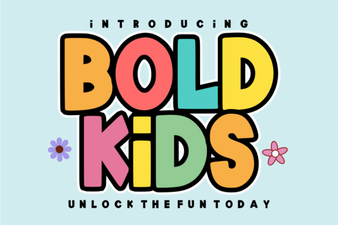 Bold Fonts for Kids: Creative Projects & Design Ideas
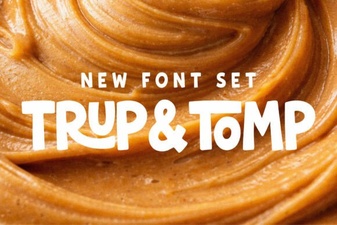 Typography Projects: Using the Trup & Tomp Font
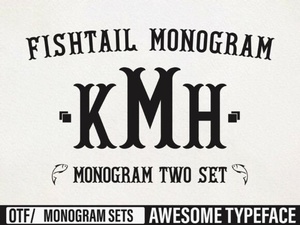 Craft Elegant Projects with Fishtail Monogram Font
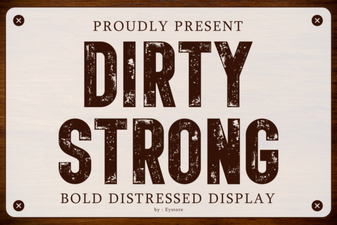 Clean and Strong: the Power of Bold Font Design
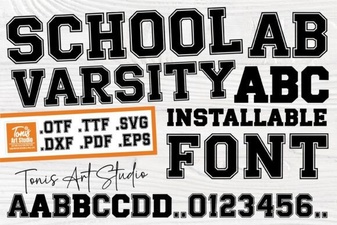 Varsity Font: Design & Projects for School Spirit
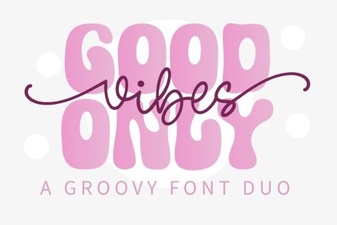 Perfect Pair: Good Vibes Only Duo Font for Your Design Projects