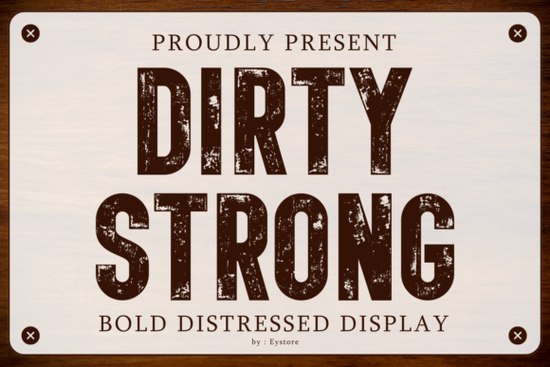
If you need a typeface that looks like it was stamped on heavy cardboard or screen-printed on worn cotton, Dirty Strong Font delivers that exact worn-in character. This bold, distressed sans-serif display font skips the polished look and goes straight for a rugged, industrial feel. Designers, print-on-demand sellers, and small shop owners use it when they want lettering that reads as tough, authentic, and unapologetically raw.
What makes this typeface work for vintage projects?
The appeal comes from its intentional erosion. Instead of clean edges, you get chipped corners, uneven strokes, and a gritty texture that mimics real-world wear. That built-in distress saves you from adding manual grunge overlays in your design software. When you place it on a dark background or kraft paper texture, the letters naturally pop without looking artificially aged. It’s a practical choice for anyone building warehouse-style signage or streetwear graphics that need to feel lived-in from day one.
If you regularly browse rough-edged display typefaces for branding work, you’ll notice how this one balances readability with heavy texture. The letterforms stay wide and open, so even at smaller sizes the words remain clear. That matters when you’re printing on textured fabrics where fine details usually get lost.
Where does it perform best in print and digital?
This font shines in applications that benefit from bold, high-contrast lettering. Screen printing and direct-to-garment methods handle the distressed edges well on cotton blends and heavy canvas. The rugged style also pairs naturally with matte labels and recycled cardboard boxes for coffee or craft packaging. Large-format prints keep the texture sharp, making it ideal for automotive posters and shop decals. For digital use, stick to short headlines where you want instant visual weight without cluttering the layout.
Keep in mind that display fonts like this are built for headlines, not body copy. Stick to three to five words per line for the cleanest read. Pair it with a straightforward sans-serif to keep the overall layout balanced.
How do I pair it with other lettering styles?
Matching a heavily textured font requires restraint. Since the main typeface already carries so much visual noise, your supporting fonts should stay quiet and structured. A neutral geometric sans-serif works well for subheadings, while a simple monospaced font can add a technical feel to product tags.
When you’re exploring different moods, you might also test it alongside heavy industrial lettering for a factory-inspired layout, or combine it with classic academic typefaces when you want a retro sports vibe. For streetwear drops, blending it with athletic block letters creates a tough aesthetic. If your project leans toward custom branding, you can contrast the rough edges with elegant script initials to soften the composition.
What should I check before downloading?
Before you add any display font to your toolkit, run through a quick compatibility check. Make sure the file includes standard OTF and TTF formats so it installs smoothly on both Mac and Windows. Verify the character set covers the numbers and punctuation your project requires. Some distressed fonts skip alternate glyphs, so test your exact headline before committing to a final print run.
Licensing is just as important. If you plan to sell physical products, confirm that the license covers commercial use and print-on-demand fulfillment. Many creators grab Dirty Strong Font through marketplace bundles that include commercial rights, but it’s always smart to read the specific terms attached to your download. Keep a copy of your license receipt in your project folder for future reference.
Quick setup checklist for your next project
Use this short list to keep your workflow smooth and avoid common print mistakes:
- Install the font and restart your design software before typing.
- Set tracking to zero or slightly negative to keep the bold letters tight.
- Export a high-resolution file at 300 DPI for physical products.
- Print a single test sheet on your actual material to check texture translation.
- Save your license file alongside your final design assets.
Start with a simple three-word headline, test it on your target material, and adjust the spacing until the texture reads clearly. Once the layout feels solid, you can scale it across shirts, labels, or posters without losing that raw, industrial character.
Explore Design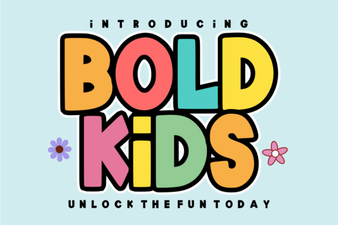 Bold Fonts for Kids: Creative Projects & Design Ideas
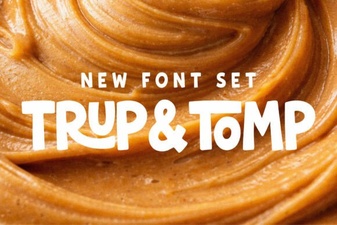 Typography Projects: Using the Trup & Tomp Font
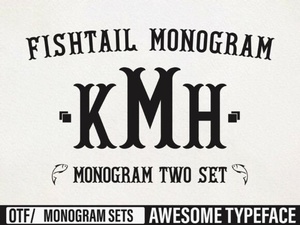 Craft Elegant Projects with Fishtail Monogram Font
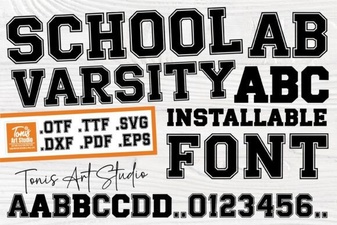 Varsity Font: Design & Projects for School Spirit
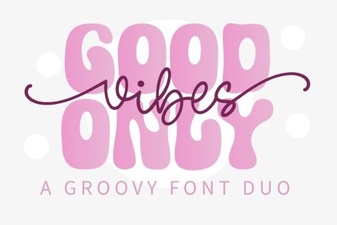 Perfect Pair: Good Vibes Only Duo Font for Your Design Projects
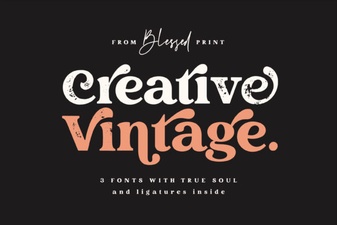 Craft Your Project with Vintage Font Creativity