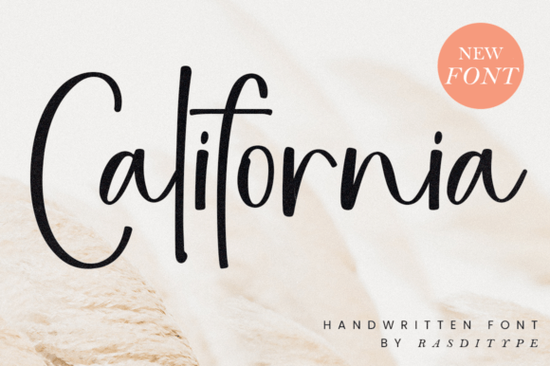
If you need a handwritten typeface that feels personal without sacrificing readability, California Font is a solid choice for everyday design work. It carries a relaxed, brush-style rhythm that works well for branding, wedding stationery, photography watermarks, and print-on-demand products. Instead of overly decorative swirls, the letterforms stay clean and balanced, which means your text stays legible even at smaller sizes.
What makes this handwritten typeface stand out?
Many script fonts lean heavily into dramatic loops or thick-to-thin contrast, which can look beautiful but often cause spacing issues. This typeface takes a different approach. The strokes maintain a consistent weight, the baseline has a gentle natural bounce, and the character set includes enough alternates to avoid repetitive-looking words. For designers and small business owners, that translates to fewer manual kerning adjustments and faster layout times. The style also holds up across different mediums. Whether you are printing on textured cardstock, uploading a PNG to a mockup generator, or embedding text on a modern website, the shapes remain crisp and recognizable.
Where does it work best in real projects?
Handwritten fonts thrive when they match the tone of the project. This one sits comfortably in the casual-but-polished range, making it adaptable for several common workflows:
- Brand logos and social media headers – The organic flow adds a human touch to boutique shops, coffee brands, and creative studios.
- Wedding and event stationery – Use it for names and headings while keeping body text in a simple serif or sans serif for readability.
- Photography watermarks – The clean strokes scale down nicely and stay visible over busy image backgrounds.
- Print-on-demand merchandise – T-shirts, tote bags, and mugs benefit from typefaces that read quickly and feel handcrafted.
If you regularly browse collections of relaxed script typefaces, you will notice this style fits right into that practical, everyday category.
How do you pair it with other typefaces?
A script font rarely works alone. The safest approach is to let it handle headlines, names, or short phrases, then pair it with a neutral supporting font. A clean geometric sans serif keeps the layout modern, while a classic serif adds warmth for formal invitations. When you want to stay within the same handwritten family, you can explore options like this matching script collection for consistent styling across multiple assets. If your project calls for a slightly more formal signature feel, elegant wedding scripts can complement the casual vibe without competing for attention. For a softer, airy alternative that works well in subheadings, lighter handwritten styles provide a nice contrast. And if you are designing region-themed branding or outdoor apparel, rustic brush typefaces often pair smoothly with this kind of relaxed lettering.
What should you check before adding it to your toolkit?
Before you install any new font, a quick review saves time later. First, verify the file formats. Most modern design software supports .OTF and .TTF files, but if you plan to use it on a website, you will need .WOFF or .WOFF2 versions. Second, check the licensing terms carefully. Personal use and commercial use often have different rules, especially for print-on-demand sales, client branding, or digital products. Third, test the font at the actual size you intend to use. Handwritten typefaces can look perfect at 72pt but become cramped at 14pt. Adjust tracking slightly if needed, and avoid stretching the letters horizontally, which distorts the natural brush rhythm. Finally, keep your font library organized. Rename folders clearly, remove duplicates, and note which projects each typeface was used for so you can maintain consistent branding over time.
Quick next steps before you start designing:
- Download and install the .OTF or .TTF files, then restart your design software.
- Type out a few real project phrases to check spacing and alternates.
- Pair the script with a simple sans serif or serif for body copy.
- Review the commercial license if you plan to sell physical or digital goods.
- Export a test print or screen mockup to confirm legibility at final size.
Once those steps are done, you can move straight into layout work without guessing how the letters will behave. Keep your text short, let the natural stroke variation do the heavy lifting, and your designs will read clearly while still feeling handcrafted.
Learn More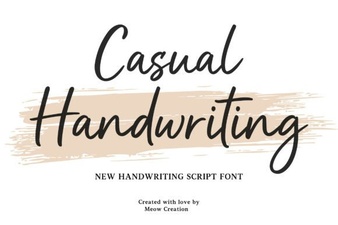 Casual Fonts for Creative Projects & Everyday Use
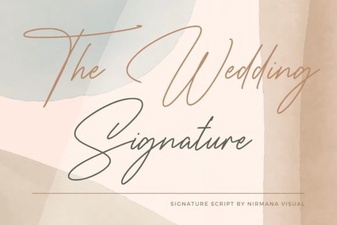 A Modern Font for Wedding Invitations & Stationery
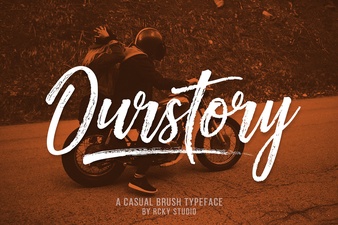 Ourstory Font Duo: the Perfect Pair for Creative Design
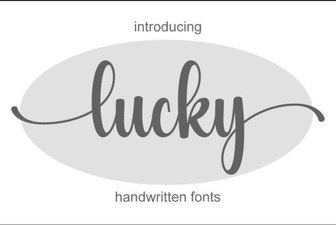 Lucky Font Styles for Creative Design Projects
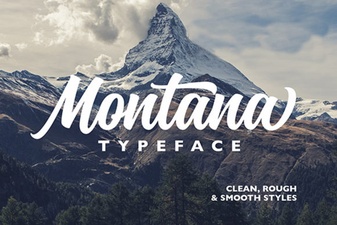 The Montana Font for Bold Creative Projects
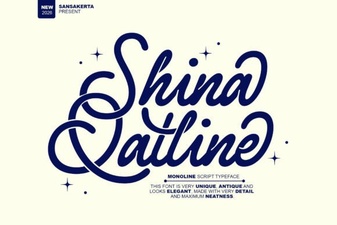 Shina Qatline: a Font for Creative Arabic Design