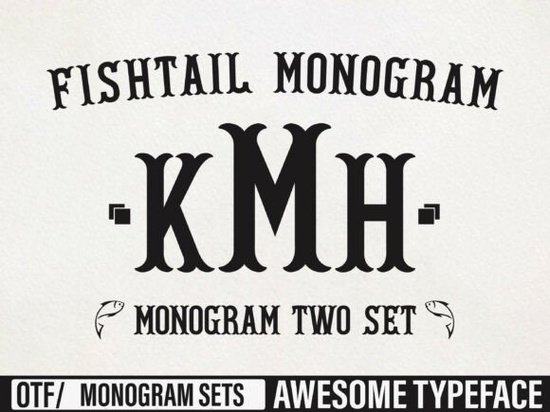
If you need a lettering style that stands out without feeling overly complicated, Fishtail Monogram Font offers a clean, decorative approach for branding, crafts, and digital products. The split-tail details on each character give it a hand-drawn feel while keeping the structure highly readable. Whether you run a print-on-demand shop, design wedding invitations, or create custom stickers, this typeface brings quiet elegance to everyday projects.
What makes the fishtail style different from regular monograms?
Traditional monogram fonts often rely on heavy serifs or rigid shapes. This design takes a softer route. The subtle forked ends create natural movement, which helps initials and short words feel personal. Because the details are built directly into the glyphs, you skip the extra flourishes and manual spacing adjustments. For crafters cutting vinyl or heat transfer material, the clean outlines mean fewer weeding issues. The strokes are thick enough to hold up on fabric, yet delicate enough to avoid a blocky look. If you prefer lighter decorative styles, you might also enjoy browsing a playful storybook typeface for whimsical accents. For the complete set of alternates, the full fishtail monogram collection keeps your branding consistent.
Which projects work best with this lettering?
Monogram fonts shine when you keep the text short. This style is built for initials, names, and brief phrases rather than long paragraphs. Practical uses include:
- Personalized gifts: Mugs, tote bags, and wooden signs look polished with centered initials.
- Event stationery: Couple monograms, place cards, and welcome banners stay readable and elegant.
- Small business packaging: Labels, thank-you cards, and social templates build a consistent identity.
- Print-on-demand listings: Name-based designs sell well on apparel when the typography feels intentional.
When you need stronger contrast for headlines, pairing this font with a chunky display typeface helps your main message pop while keeping the monogram as a refined accent.
How do I install and format the files correctly?
Downloads typically include OTF and TTF formats. OTF usually provides better kerning and extra glyphs. Unzip the folder, double-click the file, and select install. Restart your design software afterward so the new typeface registers. When setting your text, keep the tracking slightly loose. Decorative ends look cramped if letters sit too close together, so a spacing adjustment of ten to twenty units helps the details breathe. For laser cutting or embroidery, convert text to outlines before exporting to prevent missing font errors. If you want a more aged, handcrafted background, test a retro-inspired lettering set on secondary tags.
What should I watch out for when using it commercially?
Always check the included license file before selling products. Most desktop fonts cover personal use and small batch sales, but print-on-demand platforms often require an extended license. Keep your receipt and note the allowed number of end products. Another common mistake is overcomplicating the layout. Since the characters carry visual weight, heavy drop shadows or busy backgrounds reduce readability. Stick to clean contrast and ample white space. When you need a relaxed pairing for subheadings, a friendly duo typeface balances the decorative curves without competing for attention.
Where can I find the official download?
If you are ready to test the letters in your workflow, you can grab the Fishtail Monogram Font directly from the marketplace. The product page includes preview images, file specs, and designer support. Always download from the official source to ensure you receive the complete character set and proper licensing.
Before starting your next batch of designs, run through this quick checklist:
- Install the OTF version for better kerning support.
- Restart your design software so the font registers.
- Add ten to twenty units of tracking to let details breathe.
- Convert text to outlines before sending files to cutters or printers.
- Review the license file to confirm commercial rights for your sales channel.
- Export a test print at actual size to check stroke thickness.
Mock up three quick layouts using initials, a short name, and a two-word phrase. Once you see how the spacing behaves on screen and paper, you will know exactly how to scale the design for larger products or digital listings.
Explore Design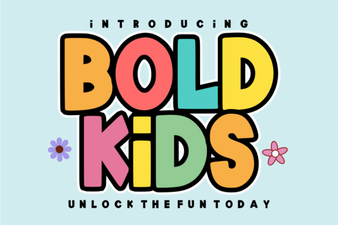 Bold Fonts for Kids: Creative Projects & Design Ideas
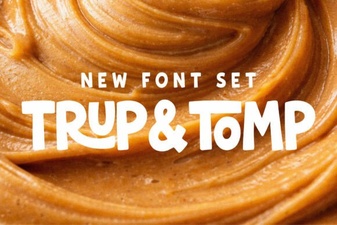 Typography Projects: Using the Trup & Tomp Font
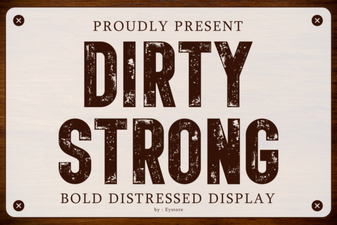 Clean and Strong: the Power of Bold Font Design
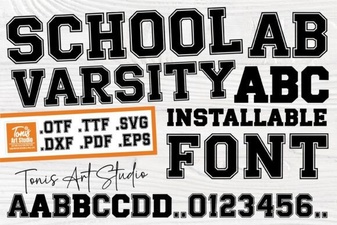 Varsity Font: Design & Projects for School Spirit
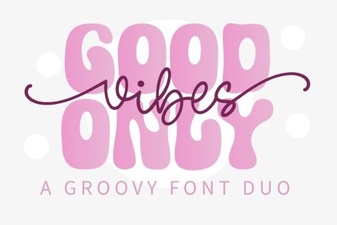 Perfect Pair: Good Vibes Only Duo Font for Your Design Projects
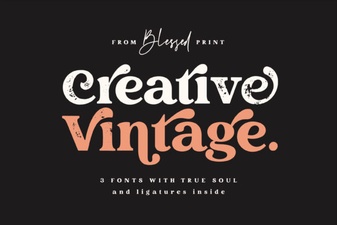 Craft Your Project with Vintage Font Creativity