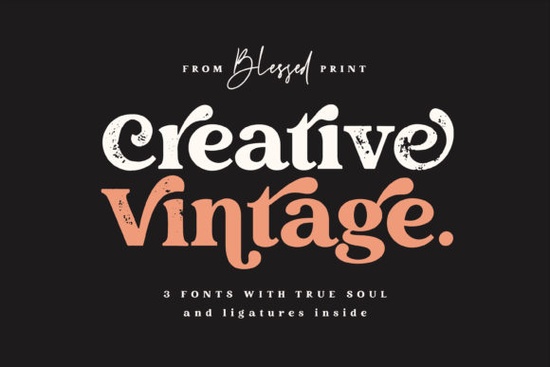
If you need a typeface that handles both strong headlines and flowing accents without switching between multiple downloads, Creative Vintage Font delivers exactly that. This duo package pairs a bold display style with a matching script, giving you a coordinated set that adapts to logos, product labels, and handmade goods. Instead of hunting for separate fonts that might clash, you get two carefully matched weights that share the same vintage character. Designers and small shop owners often choose this kind of pairing because it cuts down on layout guesswork and keeps branding consistent across print and digital files. If you want to compare it with similar retro display options, you will notice how the weight distribution here favors clean readability over heavy distressing.
What makes this duo font work so well?
The strength of a display and script combination lies in contrast. The display portion carries heavy, structured letterforms that grab attention on posters, packaging, or website headers. The script side softens the composition with fluid strokes that feel hand-drawn but remain highly readable at smaller sizes. When both styles are drawn by the same designer, the x-height, spacing, and vintage details align naturally. You will notice smoother kerning and fewer awkward gaps when you place the two together in a single layout. This consistency matters when you are preparing files for print-on-demand products or client branding kits, where mismatched typefaces can make a design look unfinished.
Which projects actually benefit from a vintage-inspired typeface?
Not every design needs a retro feel, but certain niches rely on it to communicate quality and craftsmanship. A well-balanced vintage style works best when you want to suggest heritage, authenticity, or a handmade touch. Here are the most reliable use cases:
- Apparel and tote bags: Bold display letters stand out on fabric, while the script adds a secondary message or maker mark.
- Candle and soap labels: The sturdy capitals handle ingredient lists, and the flowing characters highlight scent names.
- Wedding and event stationery: Invitations, menus, and place cards gain a classic tone without looking overly formal.
- Social media templates: Consistent heading and accent text keep your feed recognizable during product launches.
If you prefer a softer, more playful direction for children’s products or nursery decor, you might explore alternatives like a rounded display option that leans toward lighthearted branding. For projects that need a sharper, industrial edge, a heavy geometric style can provide that structural contrast.
How do I pair and style these letters without cluttering my layout?
Working with two typefaces in one package means you already have a built-in hierarchy. Keep the display font for your main headline or product name, and reserve the script for supporting details like dates, taglines, or maker signatures. Limit your color palette to two or three tones so the letterforms remain the focal point. When setting text for print, increase the tracking slightly on the display capitals to improve legibility, and let the script breathe by avoiding tight line spacing. If you are building a brand identity that requires additional decorative elements, a monogram set can add personalized initials without competing with your primary typography. For cosmic or modern themes, a contemporary display face might serve as a secondary accent in your broader font library.
What should I know about licensing and file formats before downloading?
Most creative marketplaces provide OTF and TTF files that install directly on Windows and Mac systems. After installation, the fonts will appear in Cricut Design Space, Silhouette Studio, Canva, Adobe Illustrator, and Photoshop. Always verify the commercial license terms before selling finished products. Some bundles allow unlimited physical sales but restrict digital template redistribution or trademark registration. If you plan to use the typeface on client work or large retail runs, check whether an extended license is required. You can review the full licensing details and download the package for Creative Vintage Font directly through the official marketplace.
Before you finalize your next design, run through this quick typography checklist:
- Install both the display and script files, then restart your design software to avoid missing font errors.
- Test your headline at actual print size to confirm the bold strokes do not fill in or blur.
- Check contrast by placing light text on dark backgrounds, especially for apparel mockups.
- Verify spacing by typing common letter pairs like AV, To, and ry to spot kerning issues early.
- Save a styled template with your chosen colors and layout grid so future projects stay consistent.
Download the files, run a quick test print, and adjust your tracking before sending the final artwork to production. A few minutes of preparation will save you reprints and keep your branding sharp across every product line.
Get Started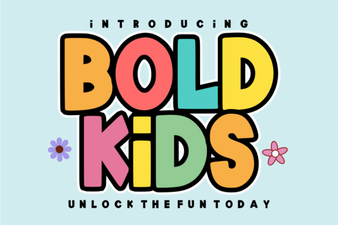 Bold Fonts for Kids: Creative Projects & Design Ideas
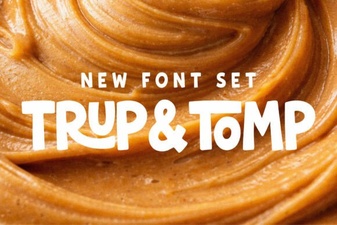 Typography Projects: Using the Trup & Tomp Font
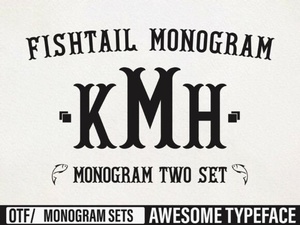 Craft Elegant Projects with Fishtail Monogram Font
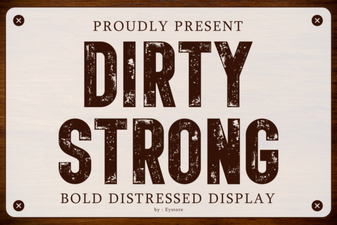 Clean and Strong: the Power of Bold Font Design
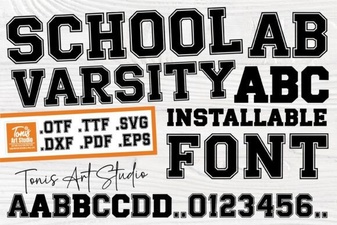 Varsity Font: Design & Projects for School Spirit
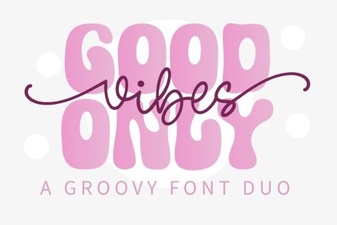 Perfect Pair: Good Vibes Only Duo Font for Your Design Projects