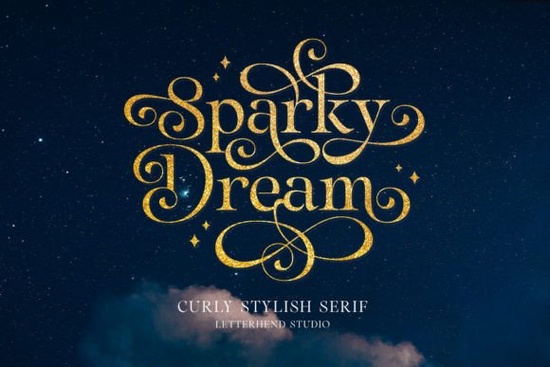
If you need a reliable serif typeface that handles both formal layouts and everyday branding, Sparky Dream Font is worth a closer look. It combines traditional letterforms with soft, curly swashes that add personality without overwhelming the page. Designers, small business owners, and crafters often reach for this style when they want a polished look that still feels approachable. The letter spacing is balanced, the weight sits comfortably in the medium range, and the alternate characters give you enough flexibility to adjust headlines, logos, or invitation text without switching to a completely different family.
What makes this serif typeface work for formal and everyday projects?
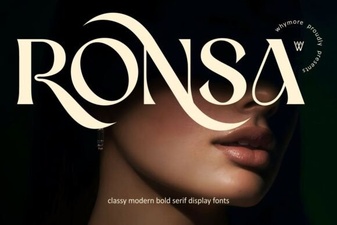
The strength of a well-drawn serif lies in how it guides the reader’s eye. This font uses subtle contrast between thick and thin strokes, which keeps longer paragraphs readable while giving short headlines a refined edge. The curly swashes are included as optional alternates, so you can turn them on for a wedding invitation or disable them for a clean business card. If you have explored other serif options like the styles found in our ronsa typeface collection, you will notice how swash placement affects overall balance. Good decorative letters should frame the text, not compete with it. This typeface keeps that rule in mind, making it easier to maintain visual hierarchy across different print and digital formats.
Which design projects actually benefit from curly swash serifs?
Not every layout needs decorative letters, but certain formats rely on them to set the right tone. Here are the projects where this style tends to perform best:
- Wedding and event stationery: The alternates work well on names, dates, and short quotes where you want a handwritten feel without losing structure.
- Small business branding: Use the standard glyphs for body copy and reserve the swashes for logos, packaging labels, or social media banners.
- Print-on-demand merchandise: Mugs, tote bags, and art prints often sell better when the typography feels custom. A single swash character can make a standard phrase look tailored.
- Editorial headers and book covers: The serif structure holds up at larger sizes, and the curves add warmth to otherwise rigid layouts.
When you browse through the sparky dream serif collection, you will see how the same font file can adapt to these different formats simply by toggling OpenType features in your design software.
How do you pair it with other typefaces without cluttering your layout?
Mixing fonts is usually where projects start to look messy. The safest approach is to pair a decorative serif with a clean, neutral sans serif. Keep the serif for headlines, short subheadings, or accent words, and let the sans serif handle paragraphs, captions, and contact details. Limit your palette to two typefaces, maybe three if you absolutely need a monospace for technical details. Watch your line height and letter spacing closely. Swash characters need extra breathing room, so increase tracking slightly when they appear next to capital letters. If you prefer a more traditional pairing, you might also compare it with options like the monarch heritage serif family to see how different x-heights affect visual rhythm on the page.
What should you check before downloading a new font for commercial work?
Licensing and file compatibility matter just as much as aesthetics. Before you add any typeface to your workflow, verify the commercial license covers your intended use, especially if you plan to sell physical products or digital templates. Check that the download includes OTF and TTF files, plus a web font version if you are building a site. Test the font in your actual design software, not just a browser preview. Type out your full brand name, run through punctuation, and check how numbers align in pricing tables. You can also review the official Sparky Dream Font page to confirm file contents, licensing tiers, and update history. Keeping a simple testing routine saves time later and prevents unexpected formatting issues when you send files to print.
How can you prepare your files for a smooth print or digital export?
Before you finalize your layout, run through this quick checklist to avoid common typography mistakes:
- Confirm the license matches your project type (personal, commercial, or POD).
- Test swash alternates in context and disable them where they crowd adjacent letters.
- Set body text between 10–12 pt and increase line height to 1.4–1.6 for readability.
- Export a print-ready PDF with embedded fonts and run a preflight check.
- Save a backup version with outlined text in case your printer lacks the font file.
Start with a single headline, adjust the spacing until the swashes sit comfortably, and build the rest of your layout around that foundation. Small tweaks early on keep the final design clean, professional, and ready for production.
Download Now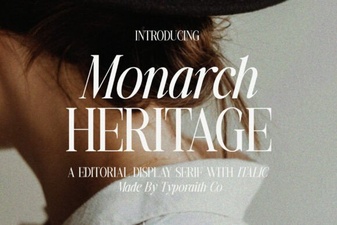 Monarch Heritage Font for Your Design Projects
 Ronsa Font: Typography for Creative Design Projects
 Bold Fonts for Kids: Creative Projects & Design Ideas
 Typography Projects: Using the Trup & Tomp Font
 Craft Elegant Projects with Fishtail Monogram Font
 Think Loved Font: Perfect for Personal and Creative Projects