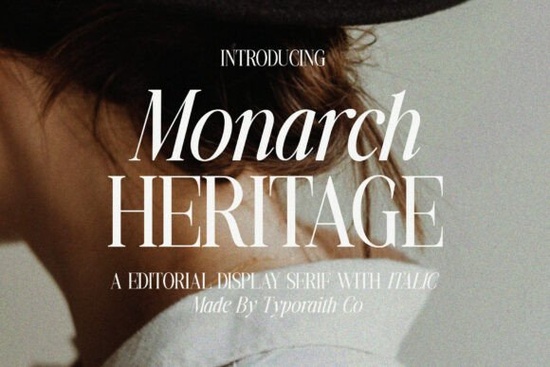
When you need a typeface that feels both classic and current, Monarch Heritage Font delivers exactly that balance. It is a display serif built with careful contrast and smooth curves, making it a reliable choice for polished layouts. Whether you are designing wedding invitations, setting up a print-on-demand shop, or building a client branding package, this font gives you a clean editorial foundation that reads well at larger sizes.
What makes this serif stand out for editorial work?
Most display serifs lean heavily into vintage decoration or ultra-minimalist geometry. This one sits comfortably in the middle. The regular weight carries a steady rhythm, while the italic style introduces a subtle flow that keeps headings from looking rigid. The letterforms feature refined stroke contrast, so thin lines stay crisp and thick lines ground the text nicely. For designers and small business owners, that means fewer manual adjustments when scaling logos or resizing poster text.
If you are browsing through different serif typeface collections, you will notice how the spacing and kerning are already optimized for headlines. You won’t need to track out every word to get a professional finish. The included punctuation and numerals also match the overall tone, keeping pricing tags and dates consistent.
Which projects work best with this typeface?
Because of its high-contrast structure, this font shines when used sparingly. It is not meant for long body copy, but it handles short statements beautifully. Here are a few reliable use cases:
- Wedding and event stationery: Names and venue details look refined without appearing overly traditional.
- Product packaging: Clean curves print sharply on both matte and glossy finishes.
- Fashion posters: Headlines gain an editorial magazine feel that catches attention quickly.
- Creative portfolios: Section dividers stay cohesive across digital and print formats.
Crafters working with vinyl cutters or laser engravers will also appreciate how the smooth letterforms translate into precise cut paths, reducing weeding time and material waste. Print-on-demand sellers often pair this style with simple sans-serif body text to keep mockups readable. The contrast helps customers scan descriptions faster, which can improve storefront conversion rates.
How do you pair it with other fonts?
Typography pairing does not need to be complicated. Let the display font lead while a secondary typeface handles readability. A light geometric sans usually works best. If you want a slightly warmer companion, you might test a softer serif alternative for subheadings. For projects that need sharper contrast, a more angular typeface can balance the graceful curves without competing for attention.
Keep these pairing rules in mind:
- Use the display serif only for titles or short emphasis lines.
- Reserve the secondary font for paragraphs and fine print.
- Maintain a clear size gap so the hierarchy reads instantly.
- Check color contrast, especially on textured paper or dark backgrounds.
What should you verify before using it commercially?
Many creative hobbyists overlook licensing details until a project is ready to launch. Always review the included license file after download. Some packages allow personal use and small-batch sales, while others require an extended commercial license for large print runs. If you plan to sell templates or merchandise featuring the typeface, confirm whether the license covers embedded files. Converting text to paths in your design software prevents missing font errors and keeps final files secure.
You can also explore the official listing for Monarch Heritage Font to check updated file formats and designer notes. Keeping your font files organized in a dedicated folder will save time when switching between client work and personal projects.
Before you start your next layout, run through this quick checklist:
- Install both regular and italic files and restart your design software.
- Test the typeface at actual print size to verify stroke clarity.
- Pair it with a neutral sans-serif and lock in your heading scale.
- Convert final text to outlines if sending files to a third-party printer.
- Save a style guide swatch with your chosen spacing values.
Set up a master template with these settings, and your future projects will move from concept to finished proof much faster.
Get Started Sparky Dream Font: Creative Projects & Design Tips
 Ronsa Font: Typography for Creative Design Projects
 Bold Fonts for Kids: Creative Projects & Design Ideas
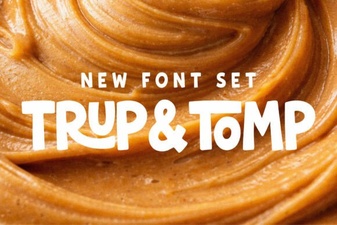 Typography Projects: Using the Trup & Tomp Font
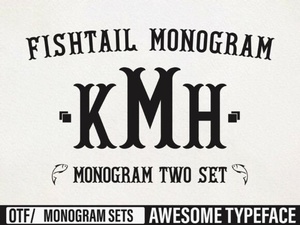 Craft Elegant Projects with Fishtail Monogram Font
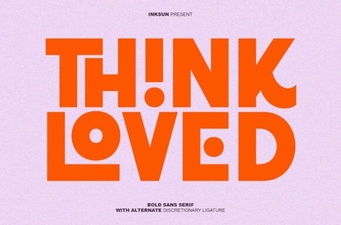 Think Loved Font: Perfect for Personal and Creative Projects