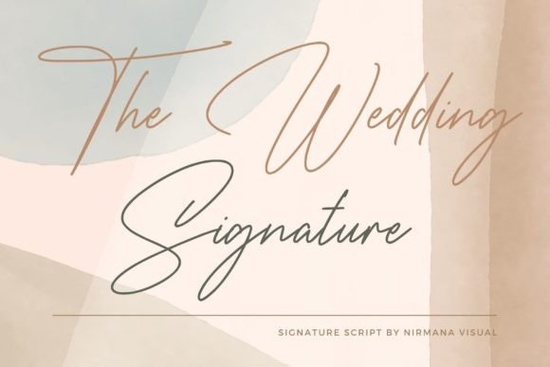
If you need a handwritten style that feels both elegant and readable, The Wedding Signature Font delivers exactly that. This carefully drawn script typeface brings a polished, personal touch to invitations, branding kits, and print-on-demand products without sacrificing clarity. Whether you are laying out wedding stationery, designing boutique logos, or creating social media graphics for a small business, the smooth strokes and balanced spacing make it a reliable choice for everyday creative work.
What makes this script font work for wedding and branding projects?
Script typefaces often struggle with legibility when scaled down or printed on textured paper. This design avoids that problem by keeping the letterforms clean and the connections consistent. The alternating thick and thin strokes mimic real pen pressure, which gives your layouts a handcrafted feel. Crafters and small shop owners will notice how well it prints on cardstock, vinyl decals, and fabric transfers. The character set includes standard punctuation, numbers, and basic alternates, so you can type out full addresses, dates, and short taglines without switching to a secondary typeface mid-project.
How should I pair it with other typefaces?
A script font shines brightest when it has room to breathe alongside a simpler companion. For formal invitations, try matching it with a light sans serif or a classic serif for the body text. If you are building a brand kit, keep the script for headlines and use a straightforward geometric font for contact details and disclaimers. When you want to explore other handwritten styles for contrast, you might browse options like a playful brush script for casual announcements or a flowing calligraphy style for romantic headers. For projects that need a ready-made combination, a paired script and serif set can save you time during the layout phase.
Which file formats and commercial licenses are included?
Most designers need flexible files that work across different software. This download typically provides OTF and TTF formats, which install smoothly on Windows and Mac systems and run reliably in Adobe Illustrator, Photoshop, Canva, Cricut Design Space, and Silhouette Studio. If you plan to sell physical goods or digital templates, check the license details before starting production. A standard desktop license usually covers personal projects and small batch sales, while a commercial or extended license is required for large print runs, logo trademarks, or digital products where the font file itself is distributed. Always review the creator’s terms on the download page to stay compliant.
What technical details should I test before finalizing my design?
Even the most polished typeface needs a quick workflow check. Start by typing out your longest word or phrase to see how the connections handle at your intended print size. Adjust the tracking slightly if you notice overlapping glyphs, and turn on kerning pairs in your design software for smoother spacing. If you are cutting vinyl or heat transfer material, convert the text to outlines and run a quick node cleanup to prevent cutting errors. For digital mockups, test the font on both light and dark backgrounds to confirm contrast. When you need a softer, more relaxed vibe for lifestyle branding, a gentle handwritten alternative can complement formal layouts, while a breezy coastal script works nicely for summer product lines.
Where can I find the official download and licensing details?
You can preview the full character set, read user reviews, and grab the correct license directly from the creator’s page. Visit The Wedding Signature Font to compare file options, check update notes, and confirm pricing for commercial use. Keeping your font files organized in a dedicated folder and noting the license type next to each download will save you headaches when you scale your shop or take on client work.
Quick pre-flight checklist before you export
- Install and restart your design software so the new typeface loads correctly.
- Test long words and numbers to verify connections and spacing at final print size.
- Convert to outlines if you are sending files to a printer or cutting machine.
- Match with a simple companion font for body text to keep the layout readable.
- Verify your license covers the intended use, especially for POD listings or client logos.
Run through these steps, export a test print or digital proof, and you will have a clean, professional result ready for your next project.
Learn More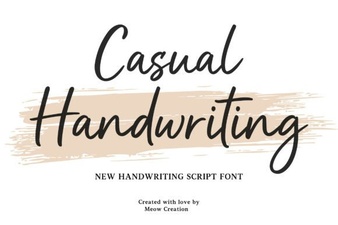 Casual Fonts for Creative Projects & Everyday Use
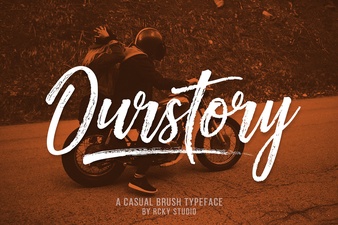 Ourstory Font Duo: the Perfect Pair for Creative Design
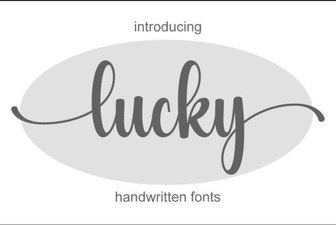 Lucky Font Styles for Creative Design Projects
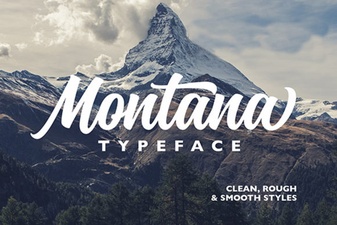 The Montana Font for Bold Creative Projects
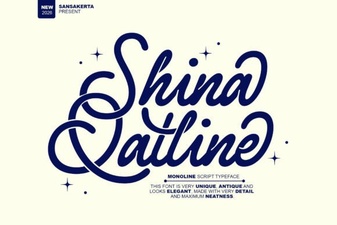 Shina Qatline: a Font for Creative Arabic Design
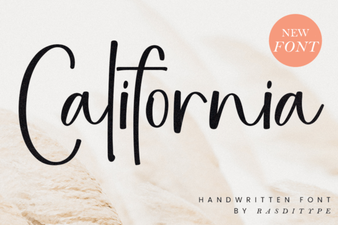 California Font Design for Modern Projects