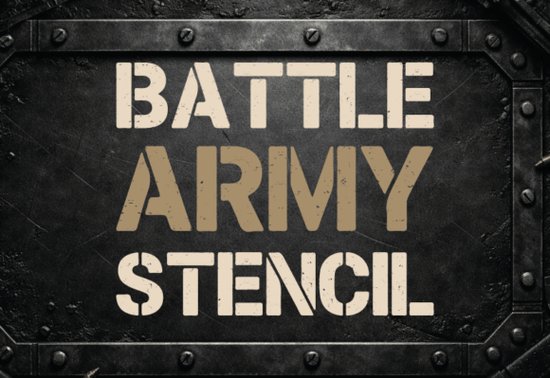
If you need lettering that looks like it was stamped onto cargo crates or painted on tactical gear, Battle Army Stencil Font delivers exactly that rugged aesthetic without sacrificing readability. This bold sans serif typeface combines clean geometric shapes with carefully placed distress marks, scratched edges, and a worn ink texture. It’s built for designers, print-on-demand sellers, and small business owners who want high-impact visuals that feel authentic rather than artificially aged.
What makes this military-style typeface stand out?
Most grunge fonts lean too heavily on digital noise filters, which often blurs the letterforms and makes small text impossible to read. This font takes a different approach. The underlying structure is a sturdy, modern sans serif, so the characters remain clear even when scaled down. The weathering effects are baked directly into the glyphs, meaning you get consistent distress across every word without manually adding Photoshop overlays or texture masks. You’ll notice sharp corners, intentional ink breaks, and subtle surface scratches that mimic real battlefield markings. Because the texture is part of the font file itself, it prints cleanly on both dark and light backgrounds, which saves time during the design and proofing phase.
Where does a gritty stencil font work best?
Heavy display typefaces like this one thrive in projects that need immediate visual weight. If you’re creating YouTube thumbnails for gaming channels, the sharp edges and worn texture grab attention without cluttering the layout. Print-on-demand sellers often use it for tactical apparel, veteran-themed merchandise, and outdoor brand packaging. It also performs well on event posters, album covers, and social media graphics where you want a raw, combat-ready mood. Just keep in mind that stencil fonts are meant for headlines and short phrases. Using them for long paragraphs will overwhelm the reader and dilute the intended effect.
How do you pair rugged lettering with other design elements?
Balancing a heavily textured typeface requires deliberate contrast. Since the letters already carry a lot of visual noise, pair them with clean, minimalist layouts. A simple sans serif for body copy keeps the overall design readable, while a neutral background lets the distressed characters stand out. If you’re exploring other options in the same category, you might want to browse how this military-inspired typeface fits into broader sans serif collections. When you need a softer counterpoint for subheadings or quotes, a clean script or a rounded sans serif can offset the harsh edges nicely. Some designers also test a more delicate option like the handwritten style alternative to create visual hierarchy without competing for attention.
What should you check before adding a display font to your toolkit?
Downloading a new typeface is straightforward, but making sure it works for your specific workflow takes a few quick steps. First, verify the file formats. Most modern design software supports OTF and TTF, but if you’re using cutting machines for vinyl decals or heat transfer projects, you’ll want to confirm compatibility with your preferred platform. Second, review the licensing terms carefully. Personal use and commercial use often have different rules, especially if you plan to sell physical products or digital templates. Third, test the font at multiple sizes. Distressed fonts can lose detail when shrunk too small, so run a quick print test or export a mockup before finalizing your design. You can also preview how Battle Army Stencil Font renders across different devices to ensure the texture stays crisp.
Before you start your next project, run through this quick setup checklist:
- Install both OTF and TTF versions to avoid software conflicts
- Test headlines at 24pt, 48pt, and 72pt to find the sweet spot for texture clarity
- Use high-contrast backgrounds so the worn edges remain visible
- Keep body copy in a clean, untextured sans serif for readability
- Save a layered mockup file so you can swap text quickly for future listings
Start with a single headline, adjust the tracking slightly if the letters feel too tight, and let the built-in grunge details do the heavy lifting. A few deliberate spacing tweaks and a solid layout will give your design the raw, tactical finish you’re aiming for.
Download Now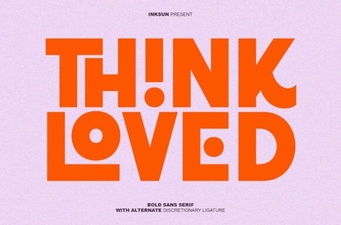 Think Loved Font: Perfect for Personal and Creative Projects
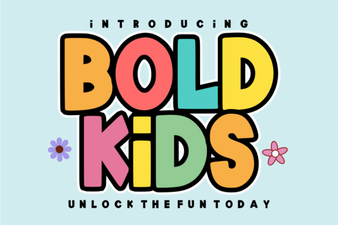 Bold Fonts for Kids: Creative Projects & Design Ideas
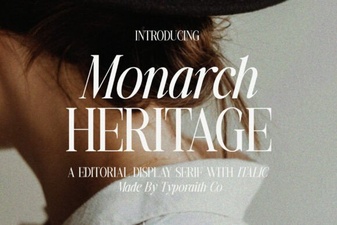 Monarch Heritage Font for Your Design Projects
 Typography Projects: Using the Trup & Tomp Font
 Craft Elegant Projects with Fishtail Monogram Font
 Casual Fonts for Creative Projects & Everyday Use